Automation & AI
5 min read
14 Apr 2026
AI Won’t Replace Marketing Teams, But It Will Redesign Them

Rob Simpkins
Co-Founder / Head of Service
The teams pulling ahead aren’t the ones with the most AI tools. They’re the ones that know what to do with the time automation gives back.
AI has moved from experiment to default faster than most marketing teams expected. The apprehension among marketing teams stems from a misguided belief that automation is here to take their jobs but that’s the wrong way of framing the debate. The most forward-thinking AI marketing teams have already worked this out. The question is not whether AI will make marketing redundant but rather what happens to teams that haven’t thought clearly about what will change when automation is used – and how they can benefit from it.
What AI is really taking off your plate
Let’s think of it as everything repeatable, rules-based, and pattern-driven. You don’t tell a six-figure executive to shift boxes around the office or to photocopy hundreds of pages of a report. Likewise, automation deals with the boring or time-consuming tasks that distract you from the work where a marketing team can make a real difference. That reduces the manual effort behind search term monitoring, bid management, lead scoring and content drafts. This shaves hours off your traditional workload, and it isn’t a hypothetical, it’s already happening. HubSpot’s State of Marketing report found that 60% of marketers now use AI daily, up from 37% in 2024. Of that figure, 92% admitted that it had impacted their roles – but in ways that freed them up for more strategic thinking rather than replacing them entirely. The inference is clear: teams that haven’t asked ‘what does this free us to do?’ are running leaner operations, not smarter ones.
What becomes more valuable as automation increases
As automation handles more of the day-to-day tasks, what becomes more valuable are the human qualities that AI can’t replicate as effectively such as reading a client’s commercial situation accurately, or knowing when the data is misleading you. Across multiple industry studies, the pattern is consistent with human strategy combined with AI execution but the teams that turned this relationship on its head suffered underperformance. Automation handles execution while humans retain ownership over the decisions that actually matter. Marketers who understand this are already positioning themselves accordingly. They are less focused on the mechanics of campaigns and more focused on the commercial questions that sit above it: Why is this customer valuable? What does the business actually need from this campaign? Is the data telling us the truth?
Why most teams aren’t ready for this shift
Research from 2024 by Capgemini revealed that 71% of marketing organisations expect their talent profile to dramatically change within three years due to generative AI; meanwhile a McKinsey report from the same year found that 75% of executives felt that GenAI would materially change their marketing operations within two years – yet only a fraction had concrete plans for what that strategy would look like. The gap between knowing that something is coming and preparing for it is where most organisations sit currently. How do marketing teams evolve? They must recognise that what made someone a strong performance marketer five years ago isn’t the same skill set that makes them valuable now. Teams that don’t address it will only find the gap widening.
How high-performing teams are restructuring
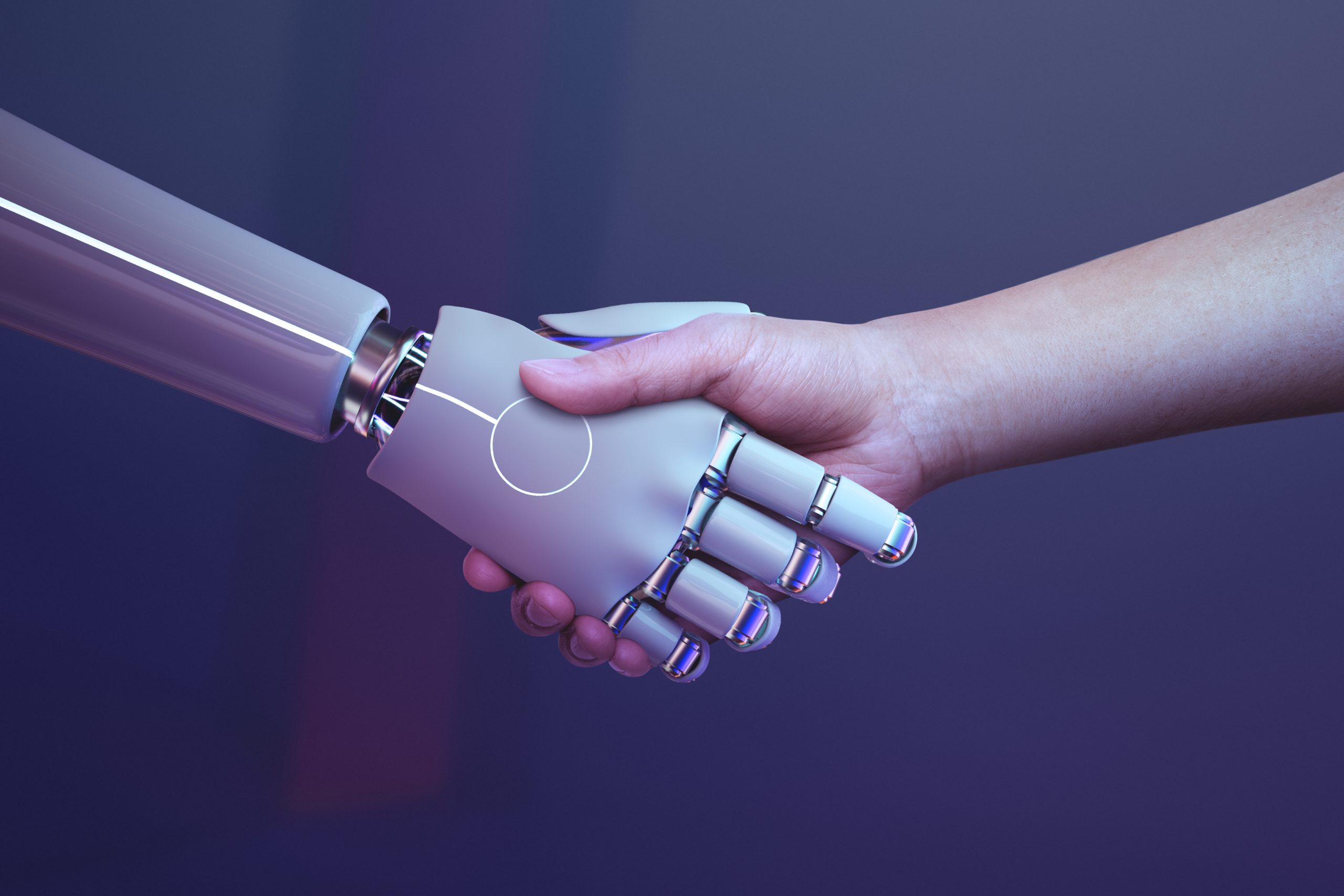
So the question for founders and leaders isn’t whether you are using AI because most teams are. Instead the focus should be on whether the structure of your team reflects what AI has changed. Are they still office juniors lugging boxes or are they delegating the menial tasks to an algorithm that will do it in a fraction of the time? The most effective version of this we have seen is an AI system that monitors search terms, spots quality drops and flags them for human review – the machine does all of the watching, the marketer does the deciding. The commercial incentive for getting this right is significant. PwC’s global AI Jobs Barometer found a 56% wage premium for roles requiring AI skills versus equivalent roles without them. Teams restructuring around this division of labour aren’t just working more efficiently – they’re building towards a more valuable skill set.
The gap is already widening
Those performance marketing teams that are pulling away from the rest aren’t the ones who are stacked with every AI tool you can download, they’re the ones who have clarity of mind over the division of labour and have rebuilt their teams accordingly. Expert voices in the room turn AI from something viewed with suspicion into an indispensable team member who only serves to enhance what the rest of your marketers are doing. The teams still asking whether AI will replace them are asking the wrong question. The right one is whether they are using it deliberately enough to stay ahead of teams that are.